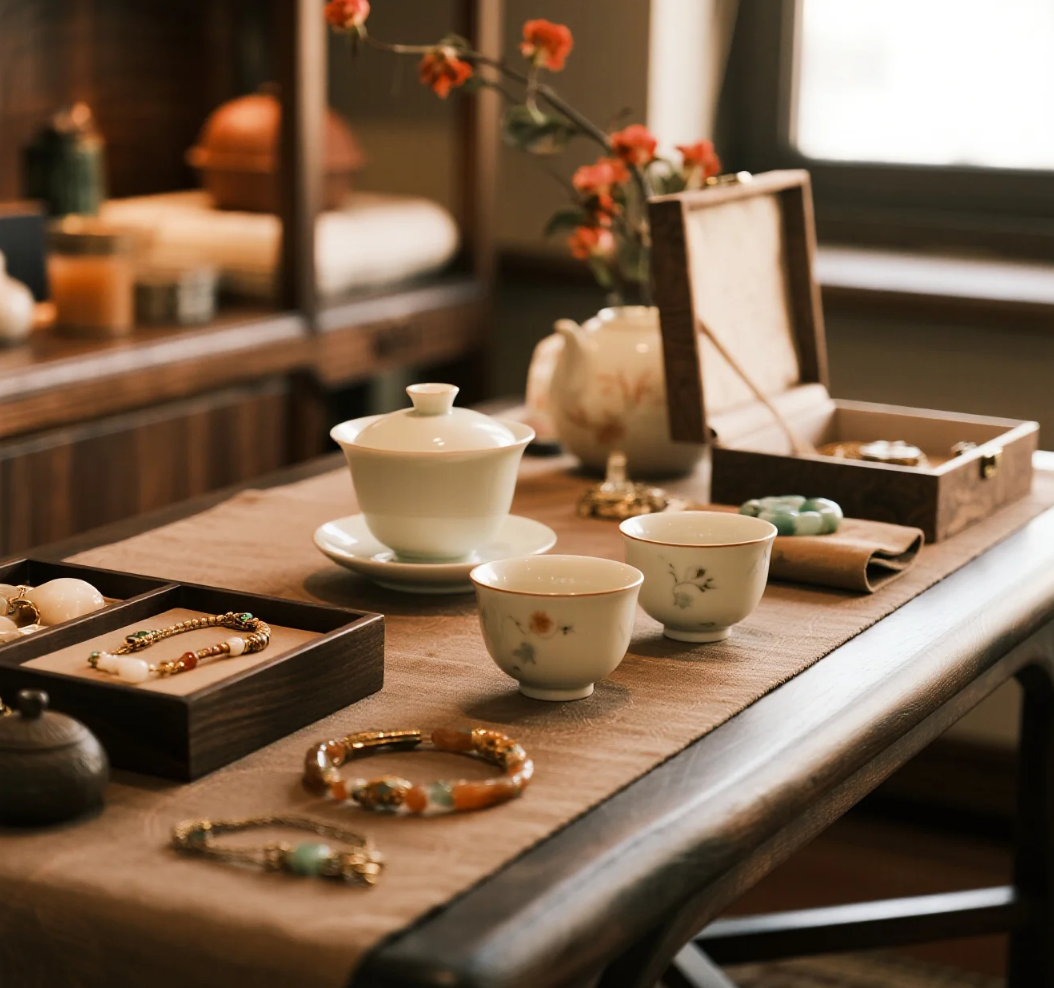
In an age of mass production and fleeting trends, true inspiration often feels rare. Yet it still exists—quietly, deliberately—within objects made with care. This is where the Exquisite Goods philosophy comes to life. It is not merely about luxury or aesthetics; it is about meaning, intention, and enduring value.
This philosophy asks a simple but powerful question: What if the things we own were chosen not just to be used, but to be felt, remembered, and respected?
Defining the Exquisite Goods Philosophy
At its core, the Exquisite Goods philosophy is a mindset—one that prioritizes quality over quantity and purpose over speed.
Key Principles
- Craftsmanship over convenience
- Longevity over disposability
- Story over spectacle
- Human touch over automation
Exquisite goods are not defined by price alone. They are defined by how and why they are made, and how they integrate into a meaningful life.
Where Inspiration Truly Lives
Inspiration does not live in excess. It lives in:
- A well-worn leather notebook
- A hand-thrown ceramic cup
- A perfectly balanced tool
- A garment that ages beautifully with time
These objects inspire because they reflect human intention. They remind us that beauty emerges when attention is paid.
👉 Related reading on intentional design:
Design Council – What Is Good Design?
https://www.designcouncil.org.uk/
Craftsmanship as a Philosophy, Not a Feature
In the world of exquisite goods, craftsmanship is not a marketing term—it is a moral stance.
What Craftsmanship Represents
- Respect for materials
- Mastery earned through time
- Acceptance of imperfection
- Pride in unseen details
A hand-stitched seam or a subtly imperfect glaze tells a story of human presence, something machines cannot replicate.
👉 Insight into craftsmanship culture:
The Crafts Council (UK)
https://www.craftscouncil.org.uk/
The Emotional Value of Objects
Unlike disposable products, exquisite goods form emotional bonds with their owners.
- They age alongside us
- They carry memory and meaning
- They encourage care rather than replacement
This emotional durability is what separates exquisite goods from ordinary consumer items.
Exquisite Goods vs. Traditional Luxury
While often confused with luxury, the two are not the same.
| Traditional Luxury | Exquisite Goods |
|---|---|
| Status-driven | Meaning-driven |
| Trend-focused | Timeless |
| Logo-centric | Substance-centric |
| External validation | Personal resonance |
Exquisite goods are often quieter—but far more enduring.
Sustainability Through Intention
One of the most overlooked aspects of the Exquisite Goods philosophy is its natural alignment with sustainability.
- Fewer purchases, better choices
- Durable materials over fast replacements
- Ethical production and fair labor
- Reduced waste through longevity
This philosophy supports a slower, more conscious economy without sacrificing beauty or function.
👉 Sustainability perspective:
Ellen MacArthur Foundation – Circular Economy
https://ellenmacarthurfoundation.org/
Living the Exquisite Goods Philosophy
Adopting this philosophy does not require wealth—it requires discernment.
How to Apply It
- Buy less, choose carefully
- Learn the stories behind what you own
- Maintain and repair rather than replace
- Value objects that grow better with age
In doing so, inspiration becomes part of daily life—not something sought, but something lived.
Why This Philosophy Matters Today
In a world overwhelmed by speed and sameness, the Exquisite Goods philosophy offers resistance. It invites us to slow down, reconnect with materials, and rediscover joy in well-made things.
Where inspiration lives is not in novelty—it lives in care.
Conclusion
The Exquisite Goods philosophy reminds us that inspiration is not abstract. It is tangible. It lives in objects shaped by intention, guided by skill, and chosen with purpose.
By surrounding ourselves with fewer—but better—things, we create space for beauty, meaning, and inspiration to endure.
Leave a Reply